Custom Concrete Solutions
- Custom Concrete Solutions Services
CONCRETE POURING WITH A PERSONAL TOUCH
When it comes to concrete pouring, GREENLINE SERVICES HOUSTON offers a personal touch that sets us apart from the competition. Our team takes the time to understand your specific needs and works closely with you throughout the project to ensure your vision is realized. From initial consultation to the final pour, we prioritize open communication and transparency at every stage. In addition to our concrete pouring services, we also offer CONCRETE RAISING SERVICES to address any leveling issues you may encounter.
We pride ourselves on our ability to tackle projects of all sizes with the same level of dedication and attention to detail. Our commitment to customer satisfaction means that we go above and beyond to deliver exceptional results, using the latest techniques and equipment. With GREENLINE SERVICES, you can rest assured that your concrete project is in capable hands.
- TOP-QUALITY
TOP-QUALITY CONCRETE POURING SERVICES IN HOUSTON
Expert Concrete Solutions for Every Project
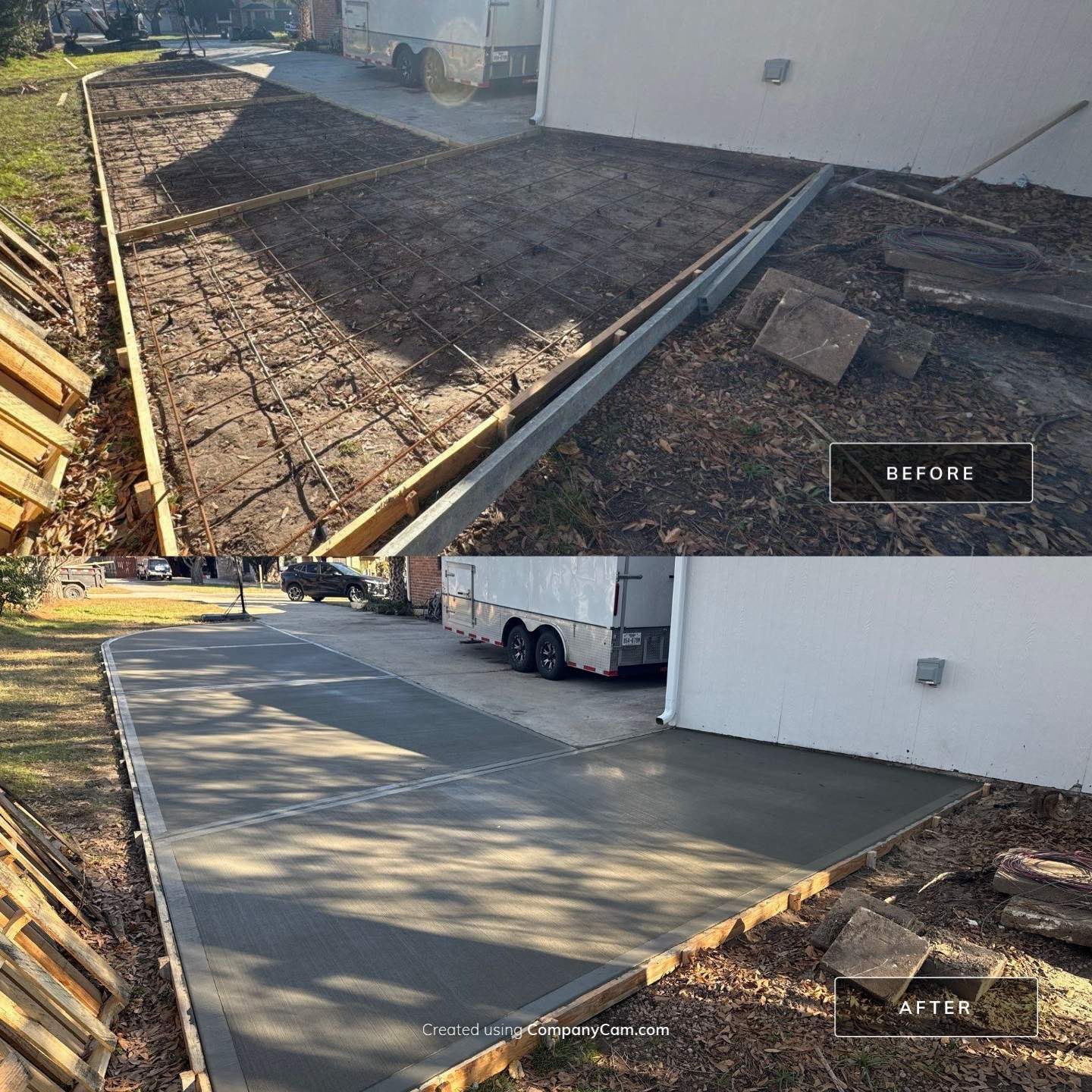
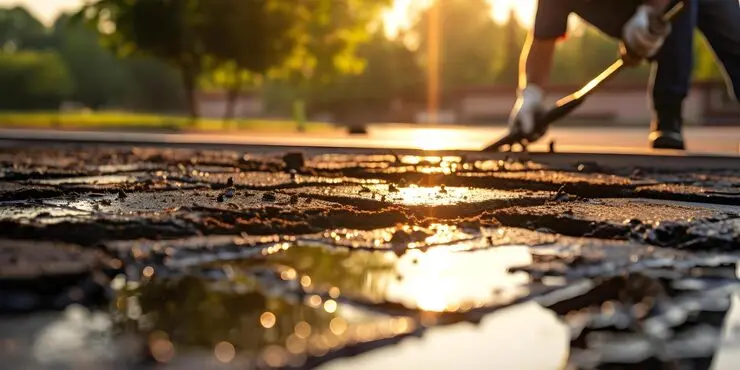
At GREENLINE SERVICES, we specialize in delivering top-quality concrete pouring services tailored to meet the unique needs of our clients. Whether you’re planning a small residential project or a large commercial undertaking, our team of skilled professionals is committed to providing exceptional craftsmanship and reliable results. Our dedication to using the highest quality materials ensures that your concrete structures are not only durable but also aesthetically pleasing.
Our comprehensive range of concrete pouring services covers everything from foundations and driveways to patios and sidewalks. With years of experience in the Houston area, we understand the local climate and soil conditions, allowing us to offer solutions that stand the test of time. Trust us to bring your vision to life with precision and care, ensuring that every detail is executed to your satisfaction.

- RELIABLE AND EFFICIENT
RELIABLE AND EFFICIENT CONCRETE POURING SOLUTIONS
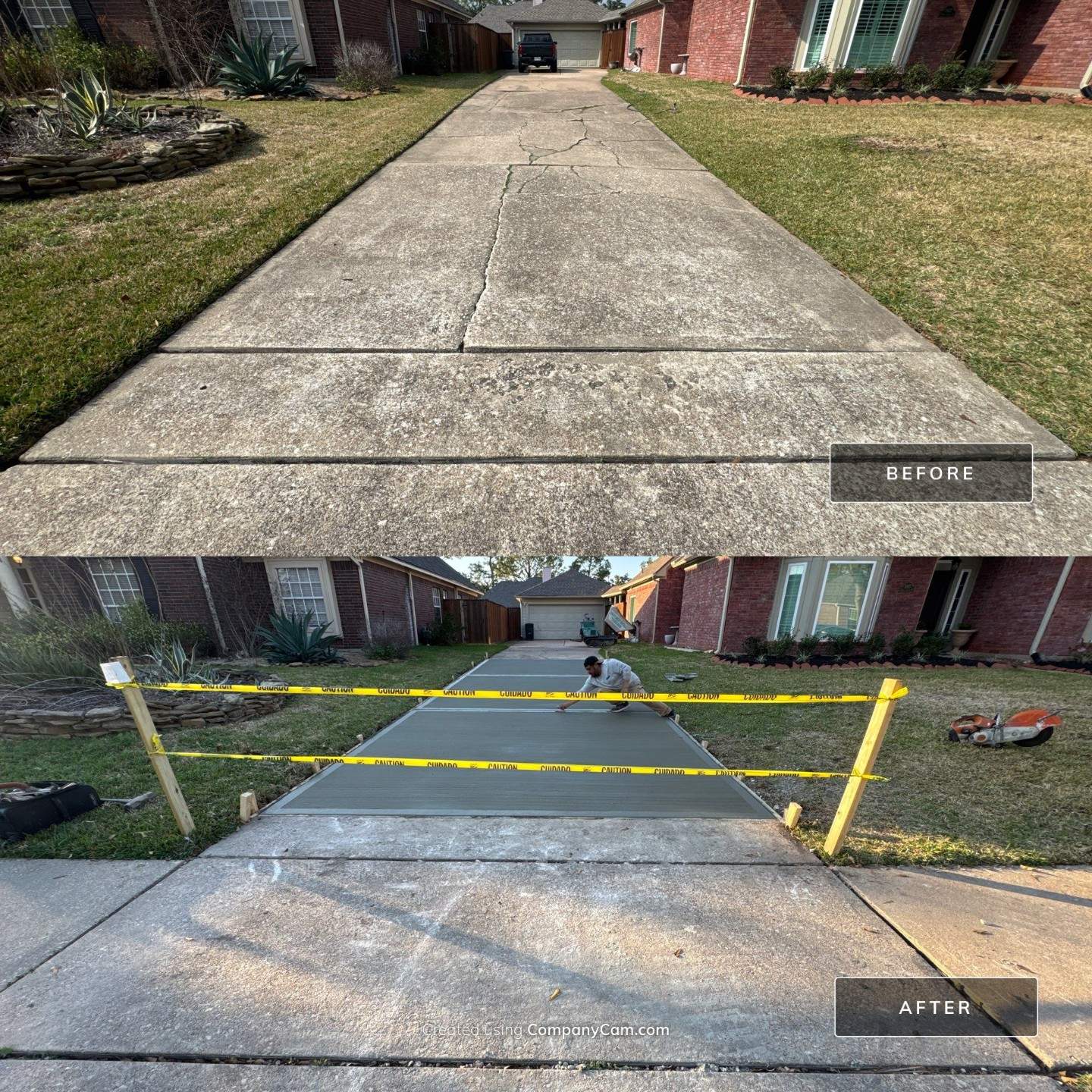
When you need reliable and efficient concrete pouring solutions, look no further than GREENLINE SERVICES. Our team is dedicated to providing prompt and professional services that meet the highest standards of quality and safety. We understand the importance of completing projects on time and within budget, which is why we work diligently to ensure that every aspect of the job is handled with care and precision.
Our extensive experience in the Houston area has equipped us with the knowledge and skills needed to tackle a wide range of concrete pouring projects. From residential driveways to commercial foundations, we have the expertise to deliver exceptional results that exceed your expectations. Trust GREENLINE SERVICES to be your partner in creating durable and beautiful concrete structures that stand the test of time.
- Support
TRANSFORM YOUR SPACE WITH EXPERT CONCRETE POURING
At GREENLINE SERVICES, we believe that concrete pouring is more than just a construction task—it’s an opportunity to transform your space into something extraordinary. Our team of experienced professionals is equipped to handle all aspects of concrete pouring, ensuring that your project is completed with precision and artistry. Whether you’re looking to enhance your outdoor living area or create a functional driveway, we have the expertise to bring your ideas to life. Additionally, we offer CONCRETE RESURFACING services to rejuvenate and restore existing structures.
We understand that each project is unique, which is why we take a tailored approach to every job we undertake. By combining innovative techniques with high-quality materials, we deliver results that are not only structurally sound but also visually stunning. Choose GREENLINE SERVICES for your next concrete pouring project, and experience the difference that expert craftsmanship can make.
- FAQs
Soil Stabilization FAQ
What is soil stabilization?
Soil stabilization involves using physical, biological, or chemical methods to strengthen and reinforce soil. While each method can be used individually, combining these techniques often yields the best results, ensuring optimal soil stability and durability.
What are the types of soil stabilization?
Generally speaking, soil stabilization can be categorized into three types: physical, biological, and chemical.
- Physical (or Mechanical) Stabilization: This method modifies the soil’s particle size distribution and plasticity to improve its stability and strength.
- Biological Stabilization: This approach employs biological methods, such as afforestation or planting vegetation, primarily to control erosion and enhance soil cohesion.
- Chemical Stabilization: This technique involves altering the soil’s properties through the use of chemical additives, resulting in improved durability and resistance to environmental factors.
How many methods of soil stabilization are there?
There are several types of soil stabilization methods, including but not limited to:
- Polyurethane Foam: A durable and easy-to-install method that permeates the soil effectively, providing long-lasting stability.
- Sodium Silicate: Though effective, this method can break down quickly with wet and dry cycles.
- Cement Grout: A traditional approach that is heavy and doesn’t spread well through the soil, but it provides solid reinforcement.
- Lime Soil Stabilization: Involves mixing lime with soil to improve its strength and durability.
- Fly Ash Soil Stabilization: Utilizes fly ash, a byproduct of coal combustion, to enhance soil properties.
- Bituminous Stabilization: Uses bitumen to bind soil particles together, increasing stability and resistance to water.
- Thermal Stabilization: Involves heating the soil to change its properties and improve stability.
- Electrical Stabilization: Uses electrical currents to stabilize and strengthen the soil, typically employed in specialized engineering projects.
Which method is most commonly used for stabilization?
Physical or mechanical stabilization is the most commonly used method for soil stabilization due to its straightforward application and cost-effectiveness. Injecting polyurethane foam is an excellent example of mechanical stabilization, as it effectively permeates the soil, providing durable and long-lasting reinforcement.
What are the factors affecting soil stabilization?
Several factors can affect soil stability, including but not limited to the following:
- Soil Compaction: Properly compacted soil is more stable and less prone to shifting or settling.
- Weather Conditions: Extreme weather events such as heavy rainfall, droughts, and freeze-thaw cycles can weaken soil structure.
- Exposure to Water: Prolonged exposure to water can lead to erosion, waterlogging, and reduced soil strength.
- Soil Composition: The presence of clay, sand, silt, organic matter, and other components influences the soil’s ability to maintain stability and resist erosion.
How is soil stability measured?
Soil mechanics evaluate the behavior and deformations of soil, focusing on how it responds to various forces and conditions. A common method to measure soil stability is the slake test, which analyzes the stability of soil aggregates in water. Professionals who measure soil stability are typically knowledgeable in geotechnical engineering, possessing the expertise to assess and address soil-related challenges effectively.