Leak Sealing
- Leak Sealing Services
Permanent Watertight Repairs Without Demolition
Water intrusion can be a silent threat to the structural integrity of your property. Whether it’s a hairline crack in a basement wall or a gushing leak in a municipal manhole, water finds a way to cause decay and instability. At Greenline Services, we provide advanced leak-sealing solutions that stop water in its tracks, reinforcing your structure and protecting your investment from the inside out.
- Power of Polyurethane
The Power of Polyurethane Leak Sealing
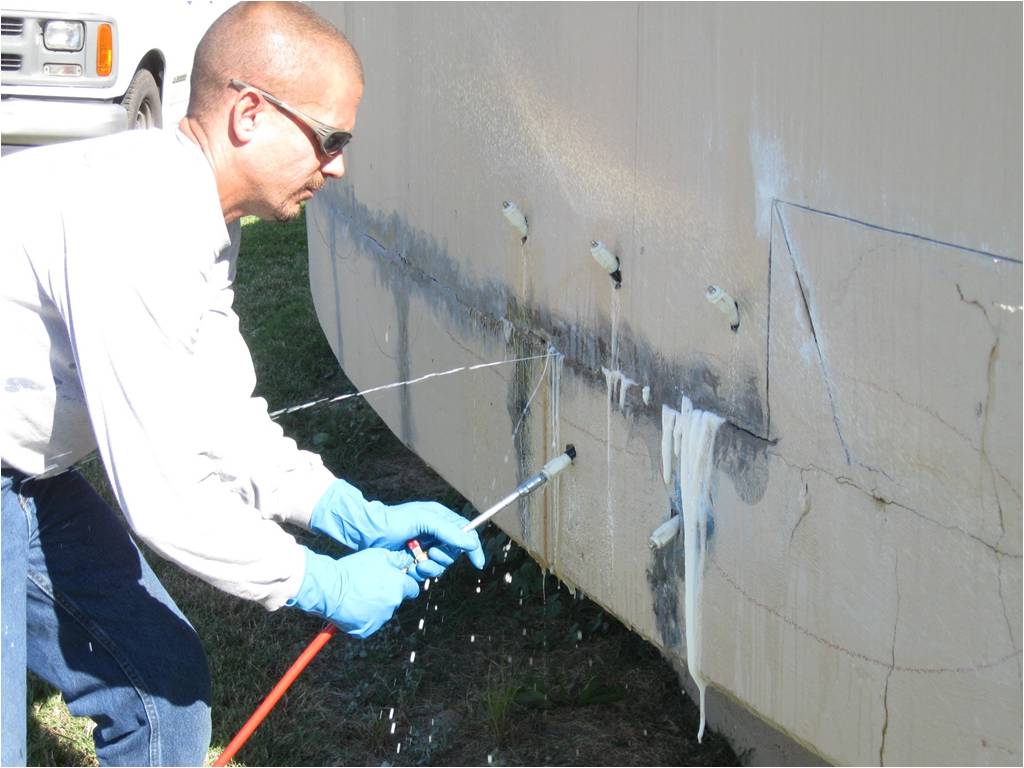
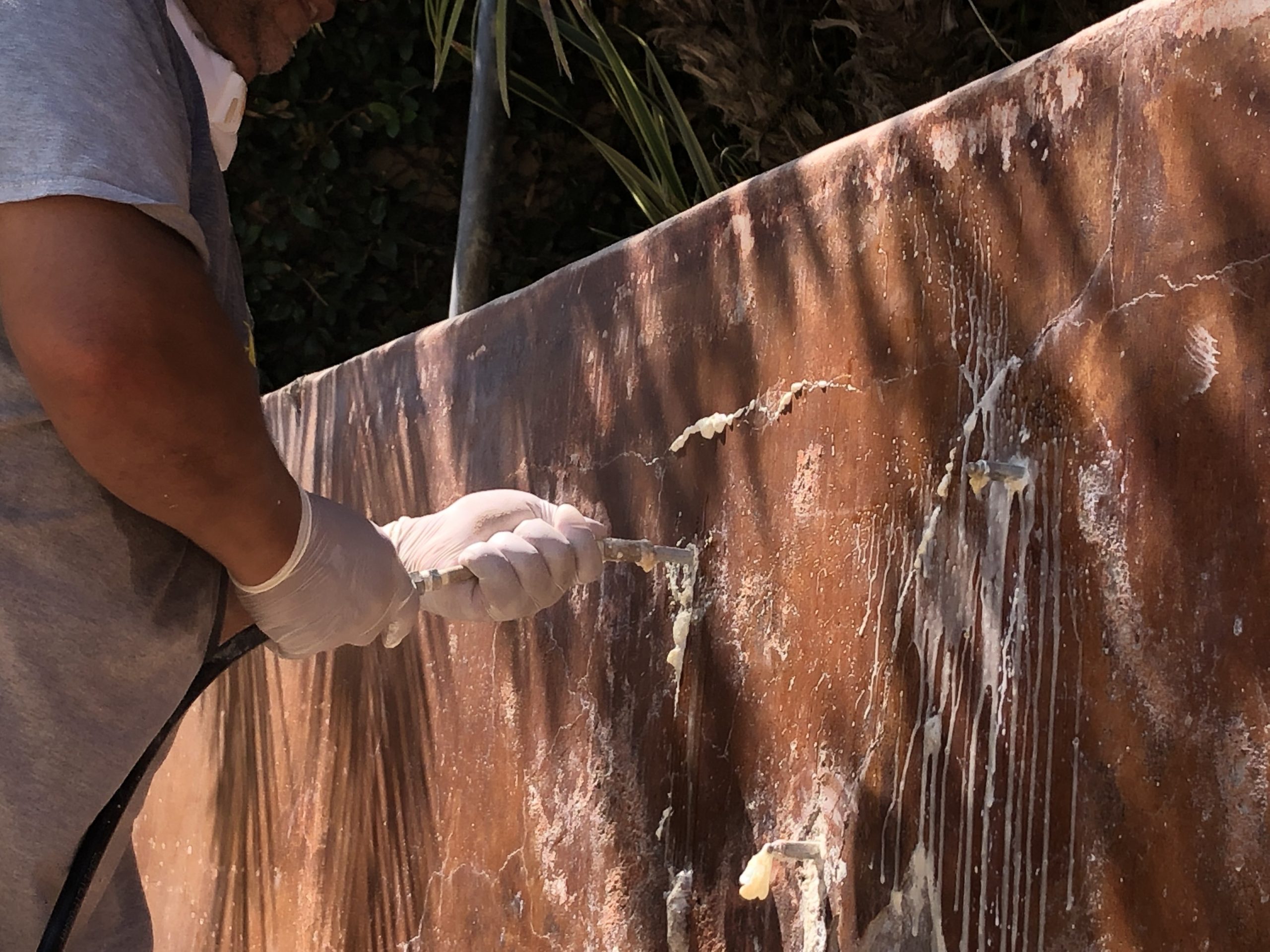
Traditional “dig and replace” methods are disruptive, expensive, and often unnecessary. Our modern approach utilizes high-performance polyurethane injection resins. These resins react with water to expand and form a flexible, watertight seal that fills the entire defect—from the face of the concrete all the way to the exterior.
Why it’s our top choice for leaks:
- Permanent & Flexible: Unlike rigid fillers, our resins remain flexible to accommodate natural concrete movement while maintaining a 100% watertight seal.
- Non-Invasive: We stop leaks from the interior of the structure, eliminating the need for costly excavation or landscape tear-outs.
- Fast-Acting: Most leaks, even high-flow "gushers," can be stopped in a matter of minutes, allowing for immediate use of the space.
- Safe & Certified: We offer NSF/ANSI/CAN 61-certified products, making our solutions safe for potable water tanks and sensitive environments.
- Cost-Effective: By avoiding demolition and heavy machinery, we provide a long-term repair at a fraction of the cost of replacement.
- Where Leak
Where Leak Sealing Wins
Our leak-sealing technology is versatile enough for residential basements and robust enough for critical municipal infrastructure.
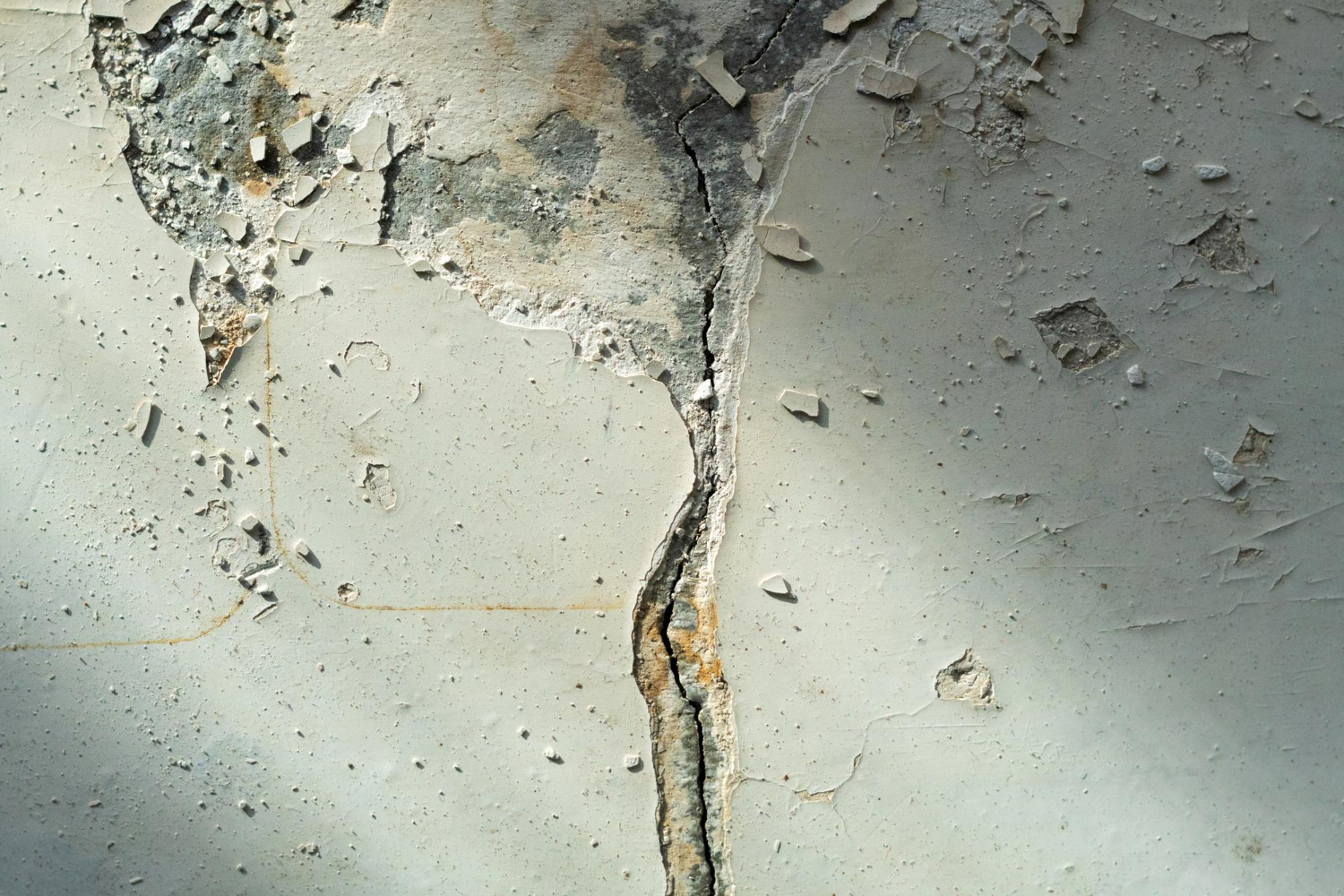
- Below-Grade Concrete: Basements, foundation walls, and parking garages frequently suffer from hydrostatic pressure. We seal cracks and cold joints to keep these spaces bone-dry.
- Municipal & Industrial: We provide quick-turnaround repairs for manholes, pump stations, and wastewater treatment tanks, helping municipalities avoid massive replacement costs.
- Water-Holding Structures: From potable water tanks to swimming pools, our resins are designed to hold back water pressure permanently.
- Pipe Penetrations: We seal the gaps around pipes and conduits that are often the primary entry point for groundwater.
- Process
Our Leak Sealing Process
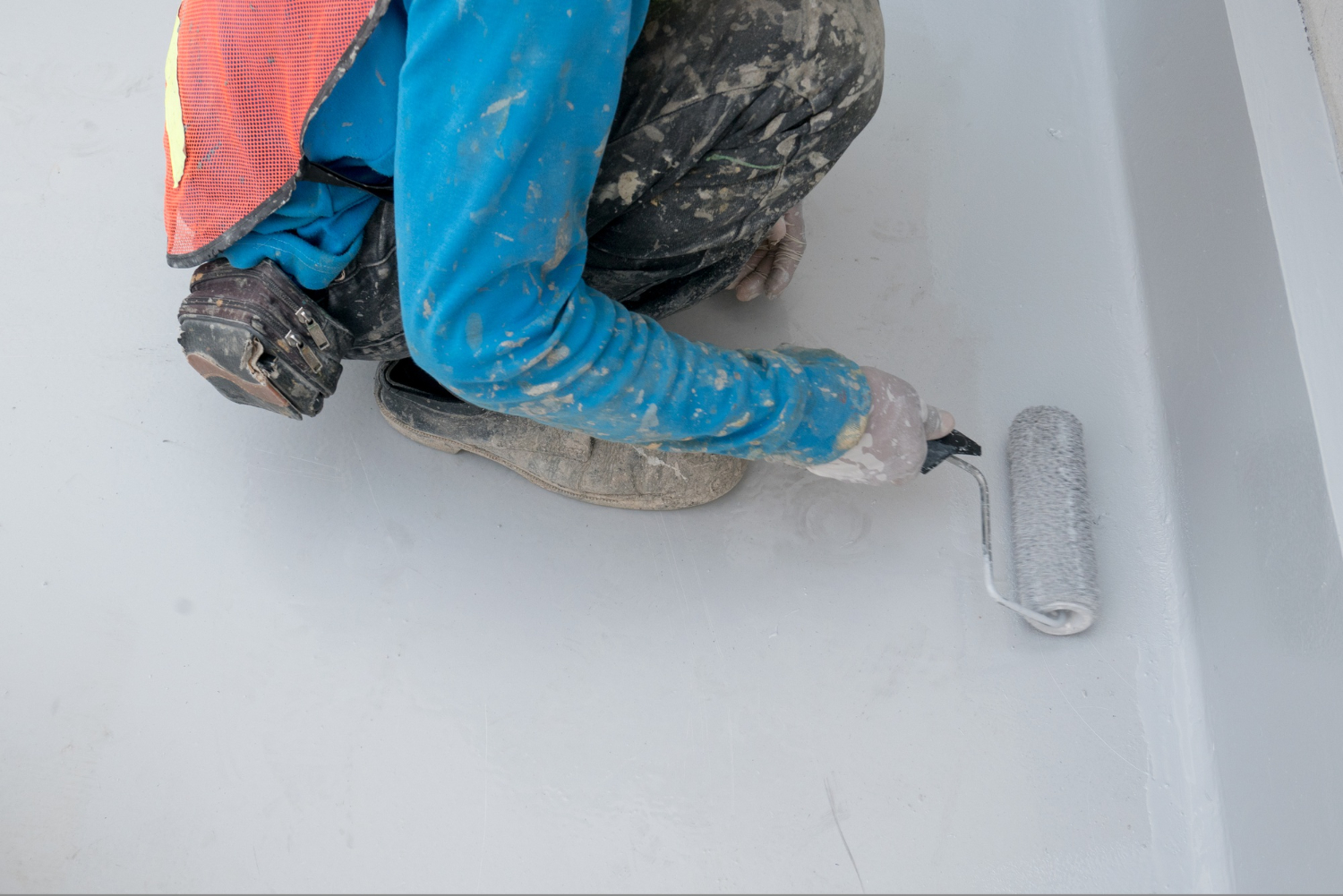
We pride ourselves on a clean, efficient process that minimizes disruption to your daily routine or business operations.
- Site Assessment: We identify the source of the infiltration and evaluate the water flow to select the ideal resin (rigid, flexible, or high-expansion).
- Strategic Drilling: Small, unobtrusive holes are drilled at an angle to intercept the crack or joint mid-section.
- Port Installation: Mechanical packers or "injection ports" are installed into the holes to create a secure connection for the resin.
- Resin Injection: We inject the polyurethane resin under controlled pressure. The material reacts with the infiltrating water, expanding to fill every void and capillary within the concrete.
- Cleanup & Review: Once the leak is confirmed sealed, we remove the ports, patch the small drill holes, and leave the site as clean as we found it.
- Support
Stop the Damage Today
Don’t let a minor leak turn into a major structural failure. Whether you are dealing with a damp basement or an industrial infrastructure challenge, Greenline Services has the expertise to fortify your concrete and keep the water out for good.
Contact Greenline Services today for a professional assessment and take the first step toward a dry, stable foundation.
- FAQs
Soil Stabilization FAQ
What is soil stabilization?
Soil stabilization involves using physical, biological, or chemical methods to strengthen and reinforce soil. While each method can be used individually, combining these techniques often yields the best results, ensuring optimal soil stability and durability.
What are the types of soil stabilization?
Generally speaking, soil stabilization can be categorized into three types: physical, biological, and chemical.
- Physical (or Mechanical) Stabilization: This method modifies the soil’s particle size distribution and plasticity to improve its stability and strength.
- Biological Stabilization: This approach employs biological methods, such as afforestation or planting vegetation, primarily to control erosion and enhance soil cohesion.
- Chemical Stabilization: This technique involves altering the soil’s properties through the use of chemical additives, resulting in improved durability and resistance to environmental factors.
How many methods of soil stabilization are there?
There are several types of soil stabilization methods, including but not limited to:
- Polyurethane Foam: A durable and easy-to-install method that permeates the soil effectively, providing long-lasting stability.
- Sodium Silicate: Though effective, this method can break down quickly with wet and dry cycles.
- Cement Grout: A traditional approach that is heavy and doesn’t spread well through the soil, but it provides solid reinforcement.
- Lime Soil Stabilization: Involves mixing lime with soil to improve its strength and durability.
- Fly Ash Soil Stabilization: Utilizes fly ash, a byproduct of coal combustion, to enhance soil properties.
- Bituminous Stabilization: Uses bitumen to bind soil particles together, increasing stability and resistance to water.
- Thermal Stabilization: Involves heating the soil to change its properties and improve stability.
- Electrical Stabilization: Uses electrical currents to stabilize and strengthen the soil, typically employed in specialized engineering projects.
Which method is most commonly used for stabilization?
Physical or mechanical stabilization is the most commonly used method for soil stabilization due to its straightforward application and cost-effectiveness. Injecting polyurethane foam is an excellent example of mechanical stabilization, as it effectively permeates the soil, providing durable and long-lasting reinforcement.
What are the factors affecting soil stabilization?
Several factors can affect soil stability, including but not limited to the following:
- Soil Compaction: Properly compacted soil is more stable and less prone to shifting or settling.
- Weather Conditions: Extreme weather events such as heavy rainfall, droughts, and freeze-thaw cycles can weaken soil structure.
- Exposure to Water: Prolonged exposure to water can lead to erosion, waterlogging, and reduced soil strength.
- Soil Composition: The presence of clay, sand, silt, organic matter, and other components influences the soil’s ability to maintain stability and resist erosion.
How is soil stability measured?
Soil mechanics evaluate the behavior and deformations of soil, focusing on how it responds to various forces and conditions. A common method to measure soil stability is the slake test, which analyzes the stability of soil aggregates in water. Professionals who measure soil stability are typically knowledgeable in geotechnical engineering, possessing the expertise to assess and address soil-related challenges effectively.